Ukraine and Germany strengthen cooperation in housing policy and spatial planning
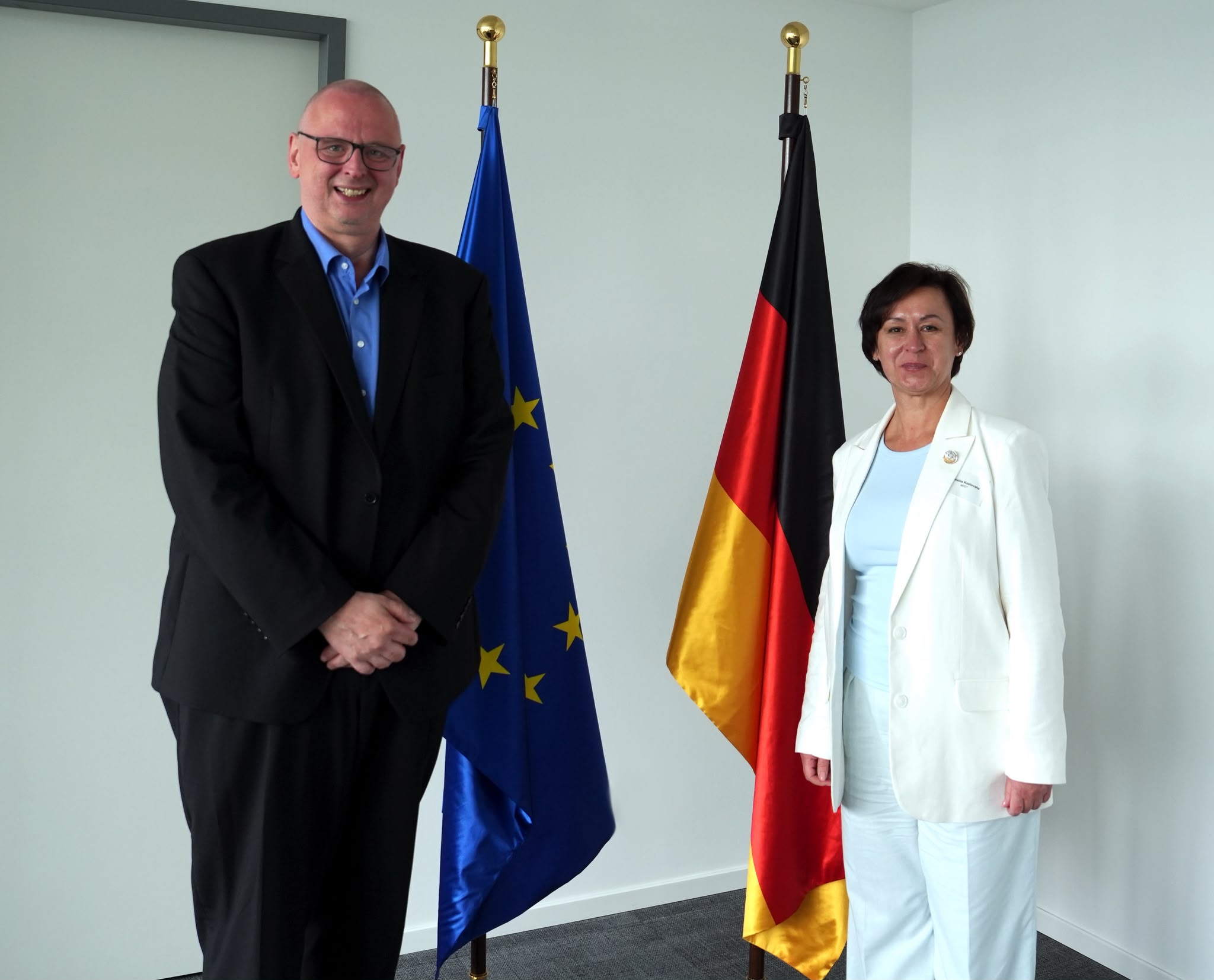
A delegation from the Ministry for Development of Communities and Territories of Ukraine, led by Deputy Minister Nataliia Kozlovska, paid a working visit to Germany.
The visit focused on deepening Ukrainian-German cooperation in housing policy, spatial planning, integrated territorial development, and post-war recovery.
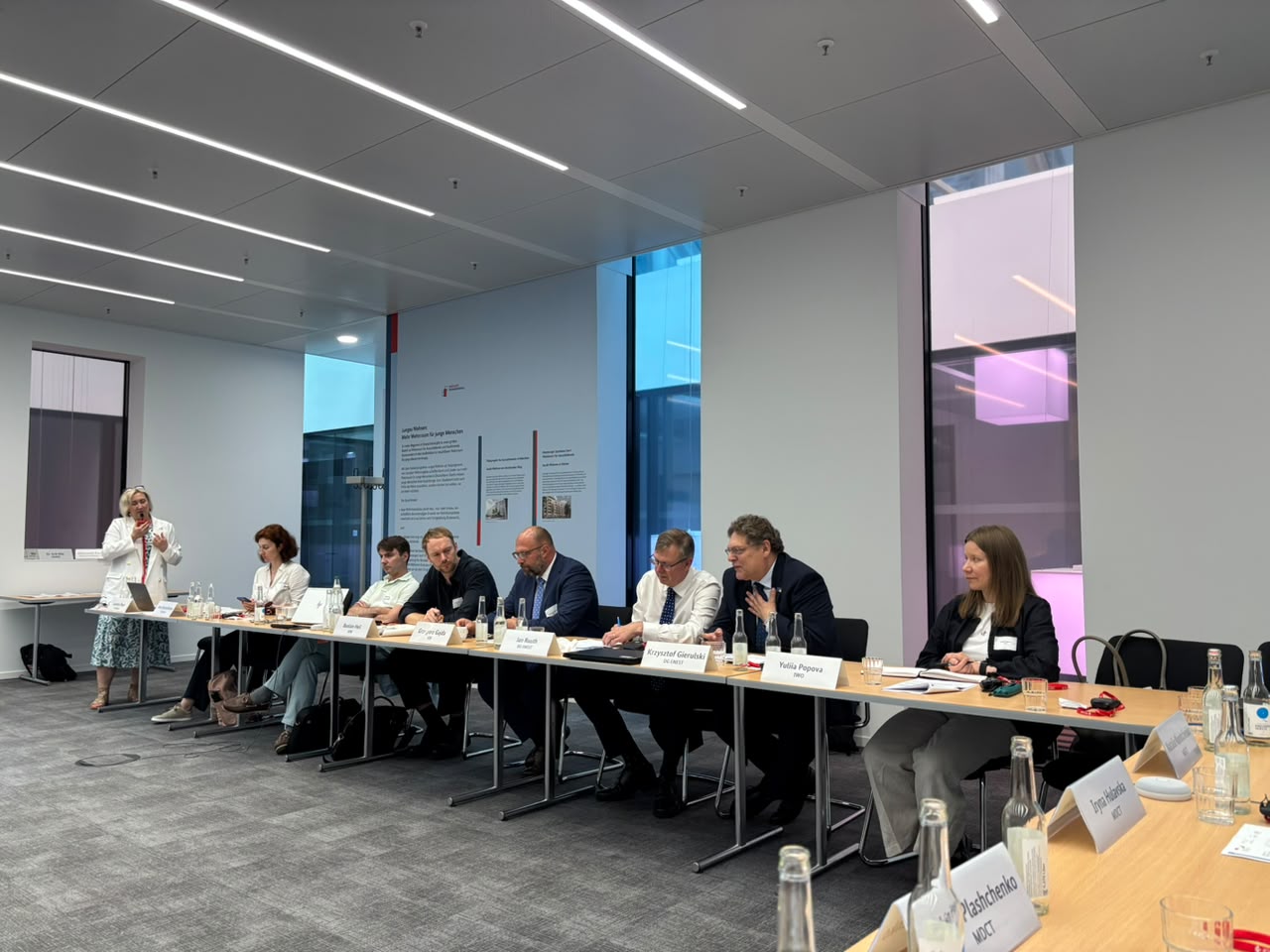
During discussions on housing policy, the parties reviewed Germany's system of social, affordable, and rental housing, its financing mechanisms, and the role of municipalities and housing companies in providing housing for citizens. The Ukrainian side also presented the current progress of Ukraine's housing reform, approaches to developing social housing, and the country's experience in implementing effective housing support mechanisms.
«This visit is part of a systematic and long-term dialogue between Ukraine and Germany on housing policy and urban development. We have identified the next steps for cooperation and launched preparations for new joint initiatives to support Ukraine's housing reform and recovery», — said Nataliia Kozlovska.
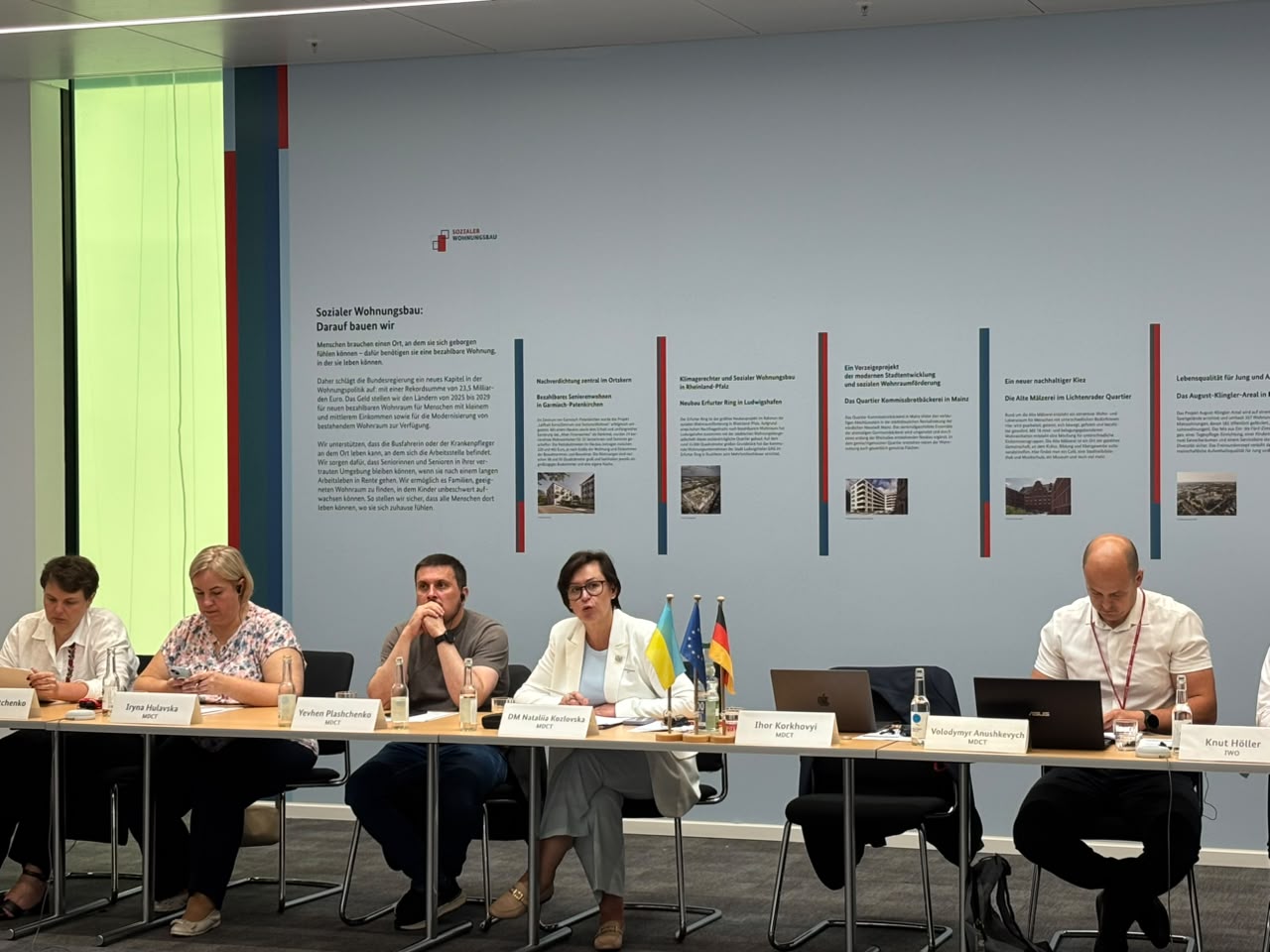
A separate part of the programme focused on spatial planning. Participants explored Germany's model of spatial development governance, construction legislation, and multi-level urban planning system. The Ukrainian delegation also presented its own achievements in the digitalisation of urban planning, the development of the Urban Planning Cadastre, and the creation of a modern digital spatial planning system, which can already provide valuable experience for German partners.
«Housing policy cannot exist separately from territorial development. That is why Ukraine is systematically moving towards an integrated recovery approach, where housing, utility infrastructure, transport, social services, and economic development are treated as a single system », — Nataliia Kozlovska emphasised.
According to the Deputy Minister, Ukraine's recovery is not about rebuilding individual buildings or infrastructure facilities, but about the comprehensive development of communities. Therefore, decisions must be made within a unified system and with a long-term perspective. One of the key instruments for achieving this is a modern spatial planning system that integrates strategic development priorities, investment decisions, and specific projects. The digitalisation of urban planning plays a crucial role in this transformation by improving governance, increasing transparency, and ensuring access to data. At the same time, Ukraine continues to enhance this system by drawing on contemporary European experience.
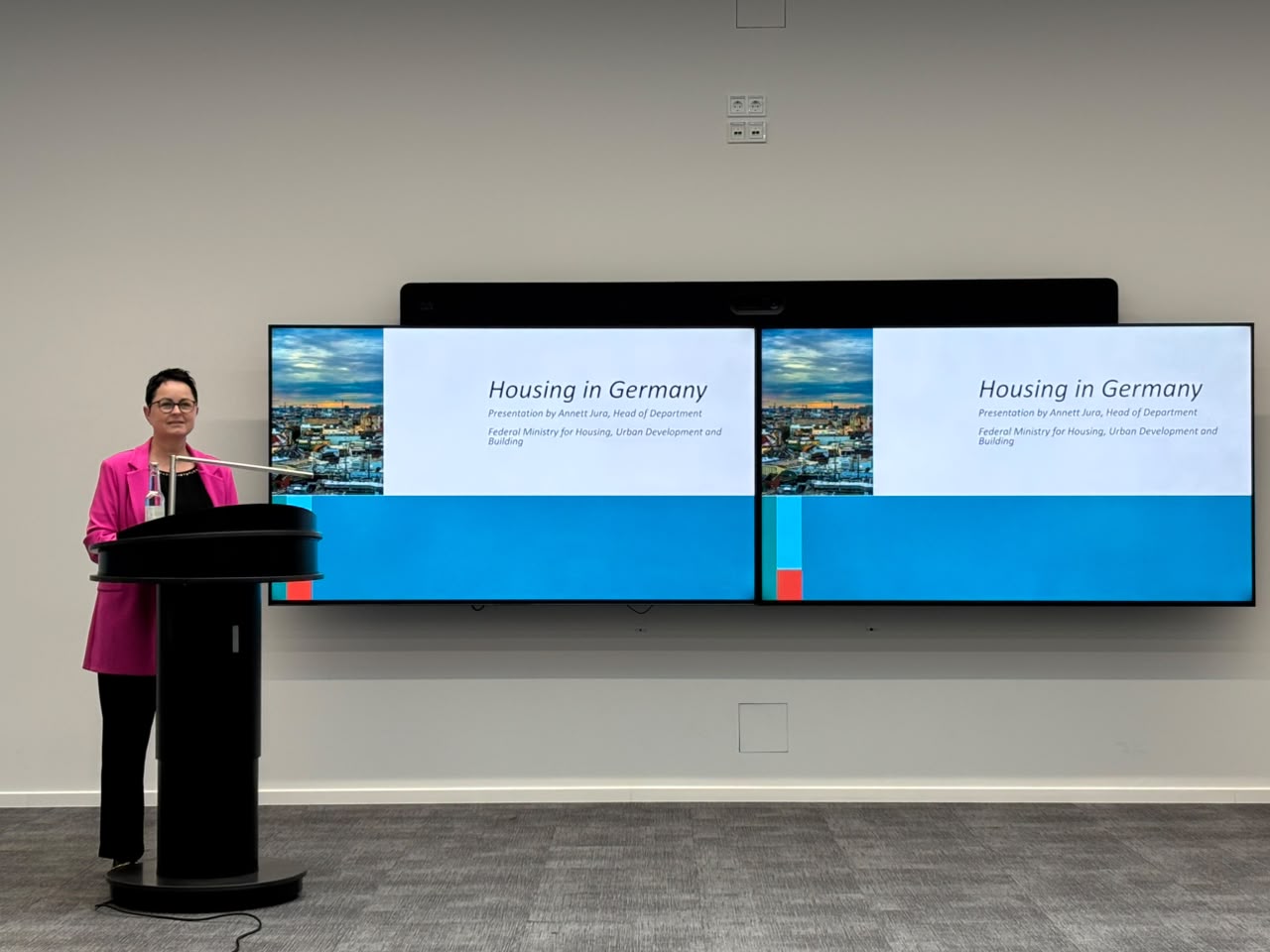
During the visit, the delegation held meetings and discussions with representatives of the German Federal Ministry for Housing, Urban Development and Building (BMWSB), the German Federal Ministry for Economic Cooperation and Development (BMZ), the European Commission, the Berlin Senate, the European Investment Bank (EIB), KfW, GIZ, and Berlin's municipal housing companies.
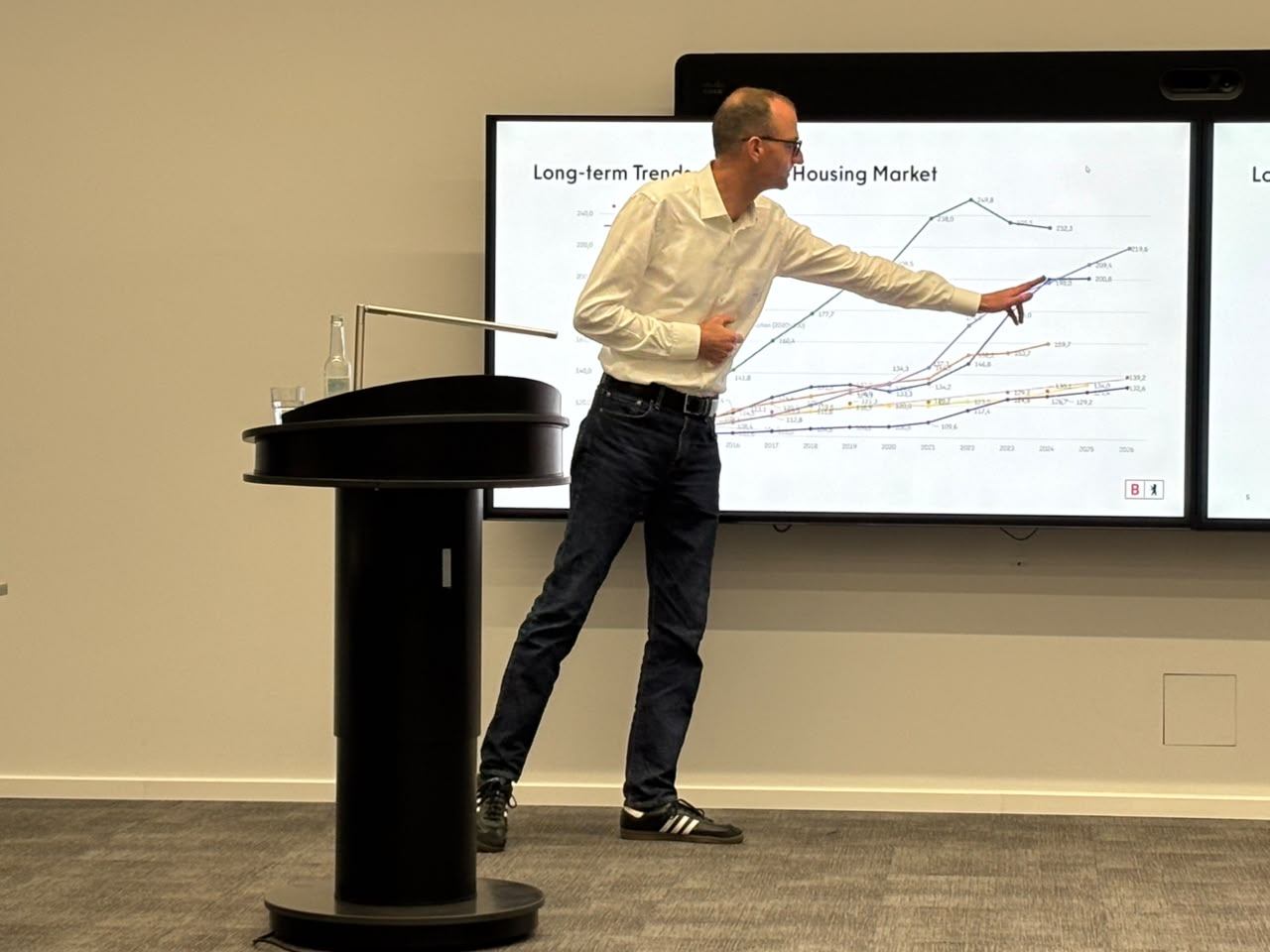
The Ukrainian delegation also visited residential complexes managed by Berlin's municipal housing companies, gaining first-hand insight into practical housing management models, financing mechanisms, and approaches to the development of affordable housing.
The working visit marked a practical continuation of the implementation of the Strategic Partnership Declaration between Ukraine and Germany and the Joint Declaration of Intent signed in April 2026 between the Ministry for Development of Communities and Territories of Ukraine and the German Federal Ministry for Housing, Urban Development and Building (BMWSB). It also represented the first practical step towards strengthening Ukrainian-German cooperation on housing policy and integrated territorial development.
Background.
The programme was prepared by the German Federal Ministry for Housing, Urban Development and Building (BMWSB), the German Federal Ministry for Economic Cooperation and Development (BMZ), and the Berlin Senate Department for Urban Development, Building and Housing, with the support of GIZ and IWO. Representatives of the European Commission, the European Investment Bank (EIB), and KfW also participated in the sessions.